Are you ready to be a part of the future?
Reality drew from the madness
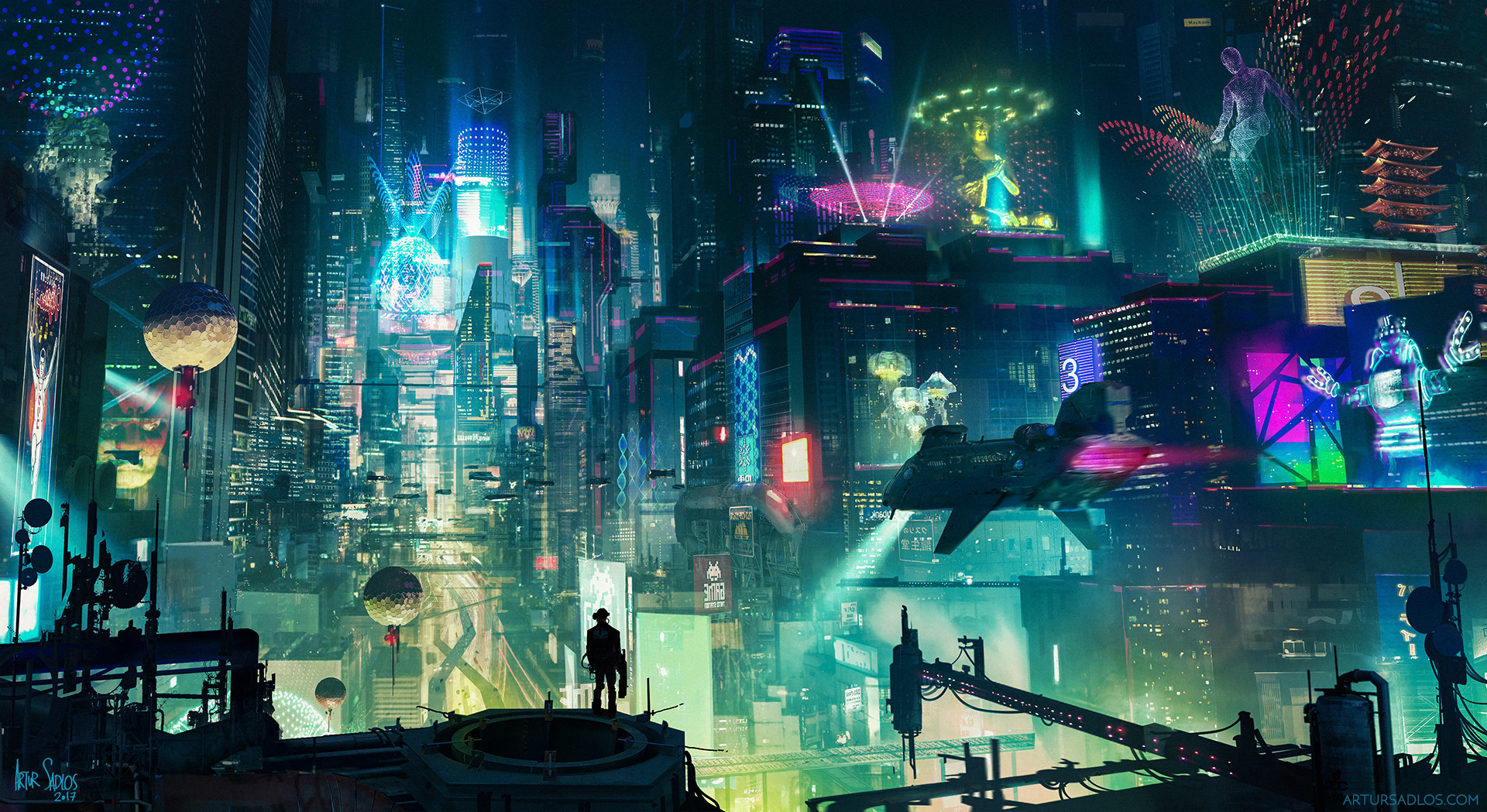
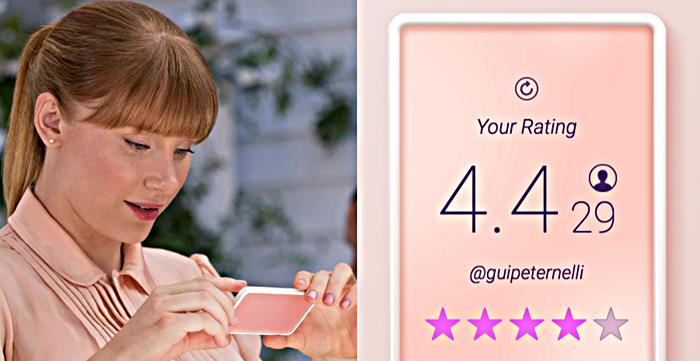
The truth is all the unthinkable innovation today have been imagined and mentioned...dozens of years ago. Like how The Net (1995) predicted a day we can eat pizza without going out of the house, Black Mirror (2011) built a social credit application for the citizens to grade each other, The Space Odyssey (1968) talked about outer-space travel, or how Casino Royale (2006) illustrated human implanting chips in their bodies, etc. Surprise? These are all the innovations making their way into practice. Elon Musk (founder of SpaceX) gave promised about outer-space travel tours, some cities in China have had community camera to grade social credit of the citizens, or the most recent, a bunch of Swedish companies have implanted chips in their employees’ hands.

The fictional movies you used to think that will never happen in real life are materializing themselves in front of our eyes. This development has created an intense wave of confusion at the global scale, no matter the age, the nationality, the people who do not understand the pace of how this world cooperates. Are these normal developmental stages of a society or are we stepping closer to the chaotic rebellion of the machines drew up by cyberpunk genre? Cyberpunk is a sub-genre of scientific-fiction, put the development of technology besides the huge crisis the citizen have to suffer, create a dire scenario of the future. If you are already familiar with this genre of film, I believe you can not obtain the fear of the robot’s rebellion, the out-of-control human, the chaos when we have no authority over our own life.
However, this is solid proof that all the insane technology innovations rooted in the imagination of human, of the benefits they dream for in the movies instead of appearing from nowhere. In other words, the technological wave we are facing is the craziest products from the unlimited imagination of human, being materialized because of the human’s needs, being used to satisfy human crave for creativity. Madness is not at the technology, it is at our own humanity.
Convenience and Humanity - Can we have both?
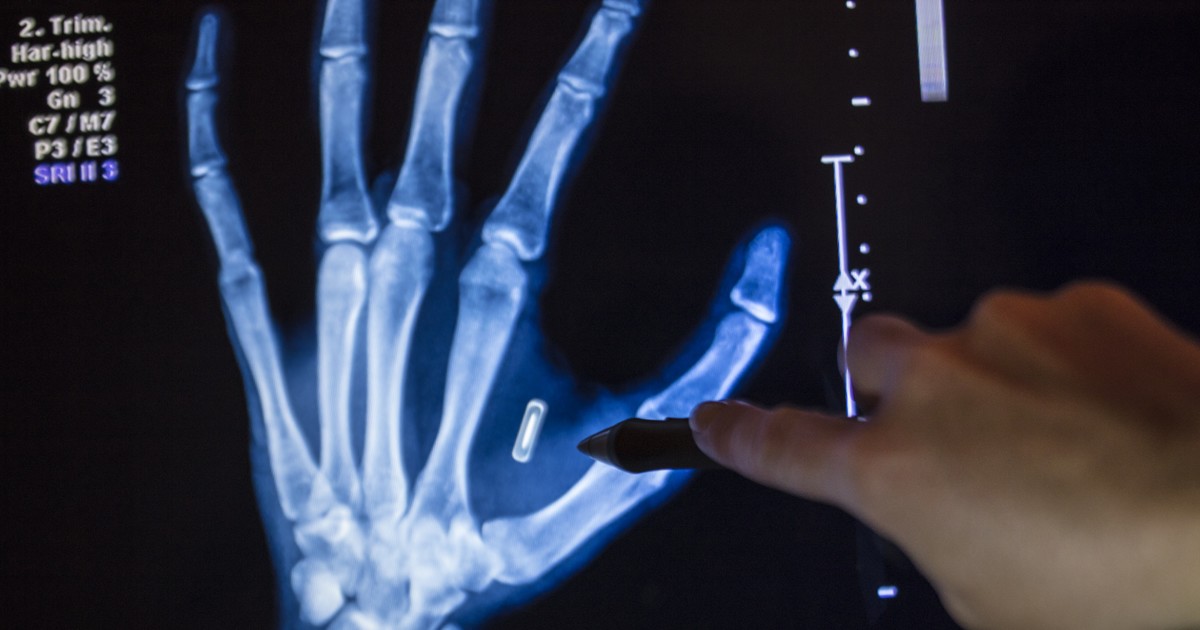
In Swedish, citizens have been implanted a rice-sized chip in their hands, functions like your ID, helps you go into a gym center or your company just by waving at the door. Later on, the chip is also able to buy train tickets, and there are proposals to make this chip able for daily shopping and to upgrade it with the function of the mobile wallet. The more function this chip is modernized, the less paper you need to bring along when going out.
Dan Tam (18 years old, Fulbright University Vietnam) shares: “If the only function of the chip is to replace the ID, I will never think about implanting it in my hand. It is cannot just because of leaving some papers at home that makes me feel comfortable with implanting machines into my own body. However, if there are more convenience than that such as buying train tickets or shopping, I genuinely will consider, I am just afraid of the ache and identity thief.”
And so that leads to a question about Human Right, personal identity security. Your basic personal information is all archived in a small chip in your body. But who is the one to store and control that information you provide? In a Youtube video named “Microchip implants in Sweden” of TRT World, a Swedish man said: “I am not afraid of being hacked as I do not think there is any machine that is modernized enough to hack a chip nowadays.”. However, this belief has a problem that it is only true “nowadays”, keep in mind that all the technologies we are having today used to be thought impossible also. There is also a scrupulosity about being infected by implanting, or else maybe our body structures will change at our offsprings to adapt to this new condition!
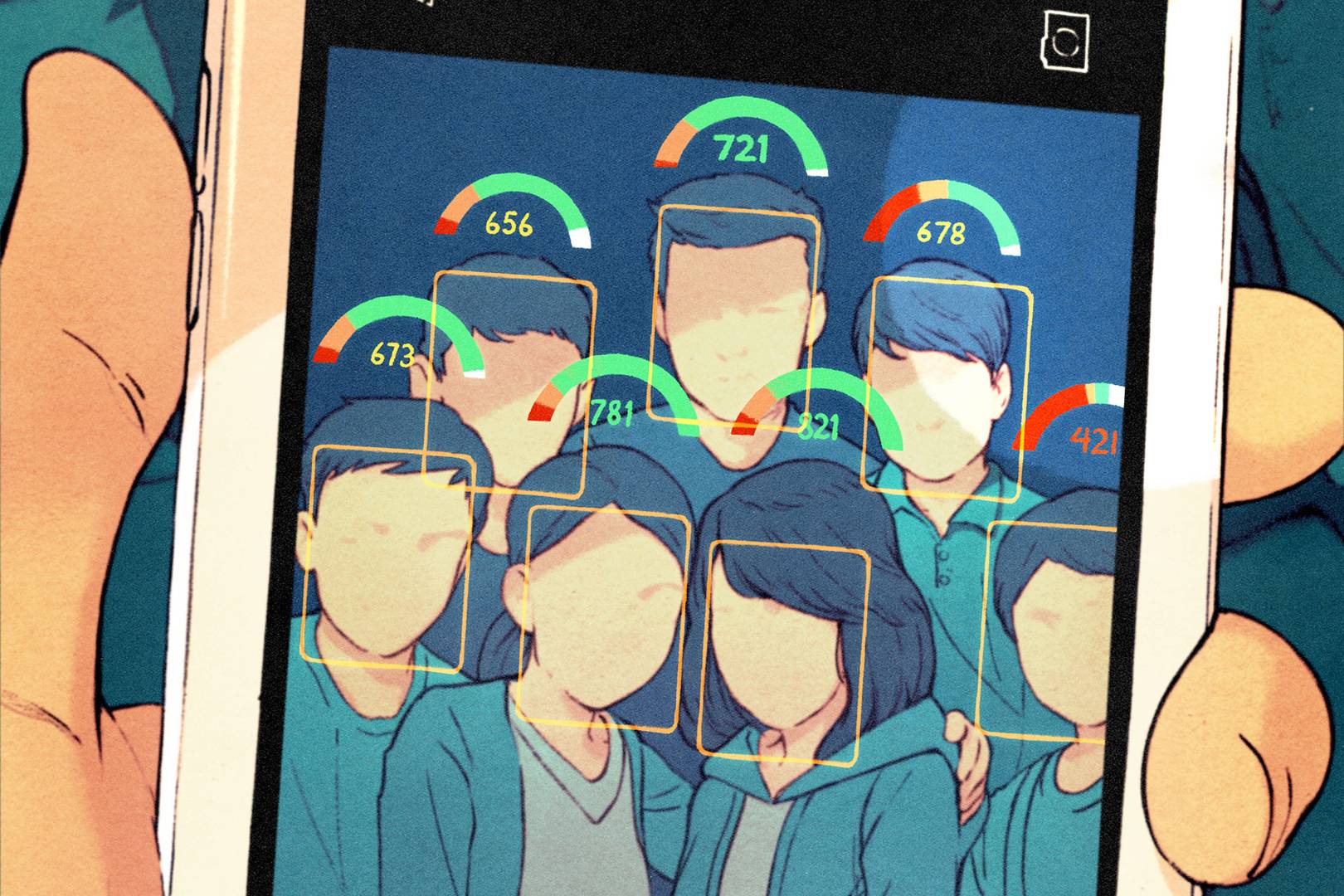
In some provinces of China, there are community cameras to grade citizens. Each people will be scored according to your behavior. For example, if you smoke at the smoke-free zone, park at the wrong place or even play video games too much, your score will be decreased. All the low-scored citizens are publicly announced to be the bad ones, are taken away some rights such as buying business class plane tickets, registering for a credit card, booking luxurious hotel rooms or restaurants, etc.
This raised a concern “What are the criteria of morality? How to know what is good and what is not?” even if there are behaviors that have not been stated in official legislation such as how many hours should be spent on using the computer, what information the user is looking for on the internet are taken into account of the grading system. And is the act of taking away some privileges of a group of people is violating Human Rights?
Minh Phuong (18 years old, University of San Diego) thinks: “Although it sounds creepy at first, with an over-populated country like China, this might be an effective way to keep track with its citizens. Instead of perceiving this system of plus-minus your score as a punishment, think about it as a motivation to be a better citizen according to the national standard! Benefits and disadvantages always stick together, the point is how to choose a balance between these two.”
Facebook was also a monster in our grandparents’ time!
The unfamiliarity and the fret we are having when facing with the landing of these new, freak innovations is similar to how our grandparents and parents reacted when observing we spend hours talking with the computer screen. Maybe 50 years later, we will not be able to understand when seeing our offsprings looking in their hands and making complex negotiation. This fear rooted in our mindset will change through generations, the dark scenario we are thinking about might be just an obvious thing in the future.
Professor Truong Nguyen Thanh mentioned in his talk at the Medicine University that: “Human has the sixth sense, to me, this is 5.0, the thing that makes us different. This sense distinguishes us from robots and makes us superior, an element that even science can not declare.”
Mr. Le Thanh Nhan (engineering teacher at a vocational institution) shares his thought: “There are lessons we learn from experience as well as the consecutive curiosity, and then continuously changing to adapt into specific situations. If we can still maintain this flexibility and enhance our own diverse colour, the future will be no longer horrible as we are thinking!”
