Social media games - A "Like" seal for suicide?
Bloody challenges lure players
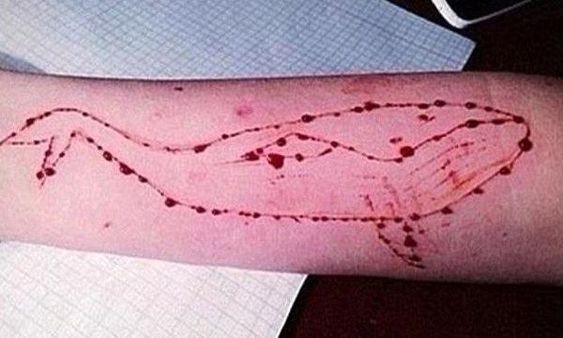
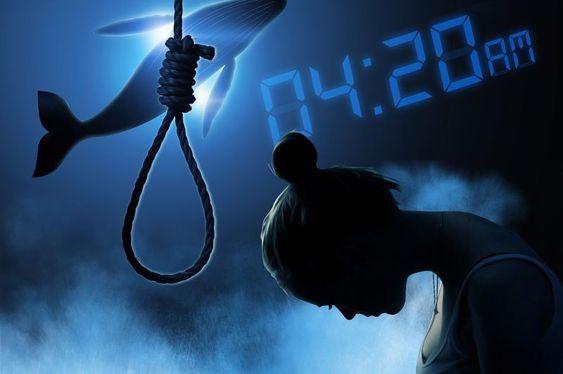
Originated in 2016, on the Russian media network, there was a game called Blue Whale Challenge. As a guide, players will have to look for anyone who is doing the challenge to be connected to the game owner. After that, players are required to provide their ID address, all personal information and ready to receive new instructions at 4 am every day. The game lasts for 50 days with instructions in increasing levels, starts gently like waking up at 4:00 am and watching horror clips, carving an idiom on your arm, watching horror movies all day, etc. to a more serious level like cutting your tongue, cutting your hands multiple times, standing on top of the building, ... And the final challenge is to become a whale and dive into the sea - jumping down from a building to be recognized as the winner. This game has been said to involve in more than 100 suicides in Russia and many cases are freed at the final steps of the challenge, shaken the world media.
But recently, a "descendant" version of the Blue Whale has emerged from the social network Whatsapp, Momo Challenge. The symbol of this game is the figure of a woman with her face, eyes protruding out, a work of art by Japanese artist Midori Hayashi. It is the avatar of a Whatsapp account, which when users connect to will receive a series of recordings, images, videos and requests to harm or hurt themselves. Messages will be sent continuously and repeatedly until the answer is received, which is the image or the footage of the player recorded during the self-harm. The stop of this game is to record your own suicide process and will be considered as the winner.
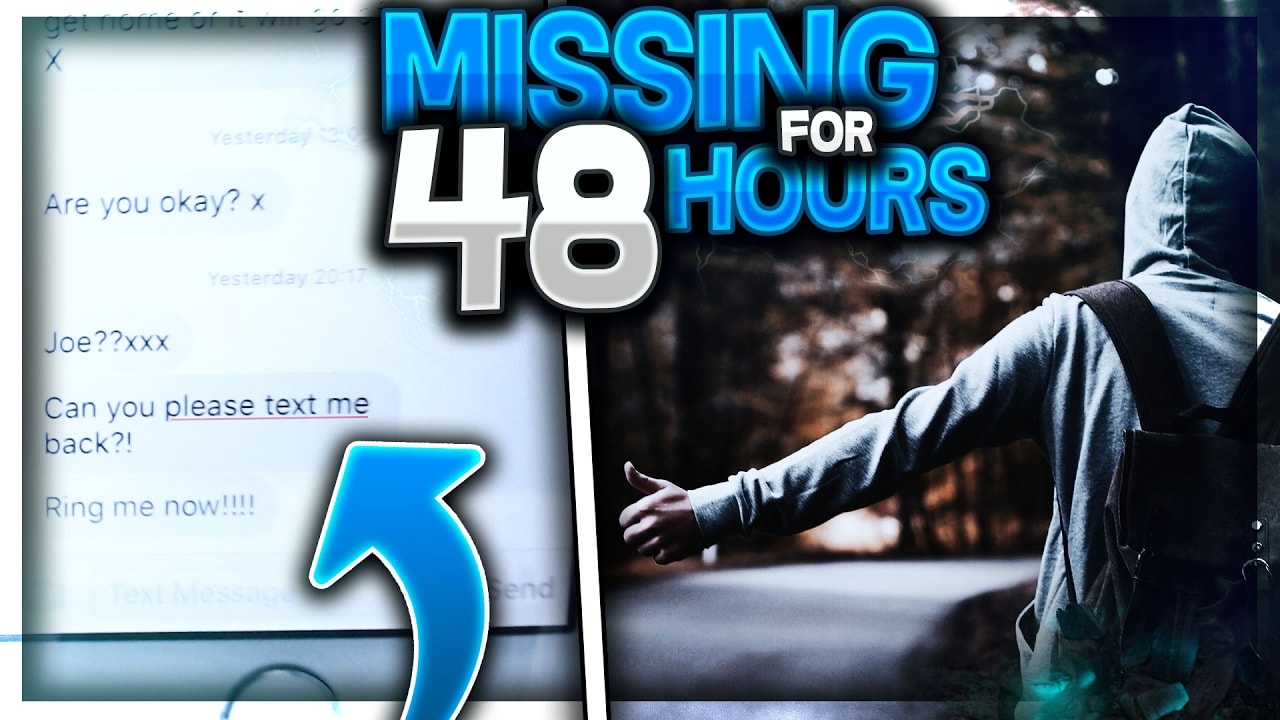
Before the challenges mentioned above, young people used to have other short-term challenges such as 48 hours challenge - missing in 48 hours and the score will be counted based on the number of times players were mentioned on social networks during the cut-off time, disconnecting from everyone, Game 72 - fleeing from home for 3 days without being contacted caused disturbances to find children in France, etc.
Why do "fool" games still exist?
With stable mental health, no one will ever get into virtual games that cause this real consequence. The main object of the challenge aims at young people who feel lost, miserable and have the intention to kill themselves. Also, this person always has the desire to express himself, to affirm to everyone his strength and just hope that at some point in his life, he is the winner. As the guy initiated Blue Whale Challenges said when he was arrested, Philipp Budeikin confessed that he used psychological tricks to seduce the victim into his game. He aimed at those who suffered the most psychological trauma, reaching out to those who lacked emotion, concern and gave them that. And he thinks what he did was to help young people "die in happiness" and that was what they deserved.

In addition, many of the young people involved just wanted to try an adventurous feeling. This stems from the curiosity of teenagers as well as the feeling of trying new and unsafe things. As Anand Verma account shared on Quora: "I have done half of the Blue Whale challenge because it sounds interesting and I have challenged myself. Fortunately, I only used fake information so I refused to slash my hand without any problems.” Or like in Tien Giang, the Blue Whale challenge is thought to have appeared in the Cai Be district, where the children in grade 2 discussed and tried some beginning challenges.
But things aren't always that simple. A trick that both of these challenges use is a threat to personal information. Specifically, if you refuse a challenge, you will receive a message threatening your whole family to be in danger, or you will not be safe yourself. This makes teenagers believe that once they joined the game, there will no longer have any return line except to complete the challenge.
These games are mostly aimed at the fears and psychological trauma of young people, making them believe that ending their lives is the most effective form of liberation.
Stay away from the "hell" of social network!

Of course, suicide is never something anyone should think about when having difficulties in life. But in the age of the growth of social media, the emotions will be easier to be "spread". Just like when you go to Facebook early in the day and read some good news and you will find yourself to be more optimistic, or when you read someone's sad story, you will also find your heart sagging a few beats. That's why you always keep yourself as a conscious netizen:
- Please boldly say "no", talk to your parents or authorities. Always remember that the only thing the culprit controls is your mentality!
- Do not easily give your personal information to anyone or any website, hide private information on social networking sites.
- If you feel your mental health is unstable, get help from real experts and doctors. Do not depend on the relationships you build from the online world.
- You can do some research, but definitely don't try challenges, the game is just for fun. That joy is not worth exchanging with the safety of your own life.
- Death is the result of suffering, despair, disease, and never a milestone that makes you a "winner".
Blue Whale Challenge, Momo Challenge and perhaps more challenges. These social network games can only be officially terminated when teenagers do not allow anyone but themselves, to control their emotions, safety, and their own body!
